

Refrigrated Van
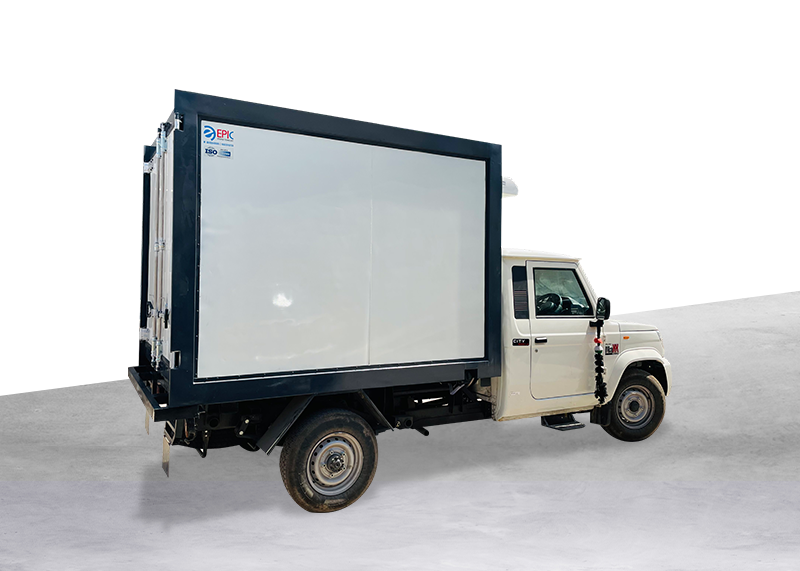
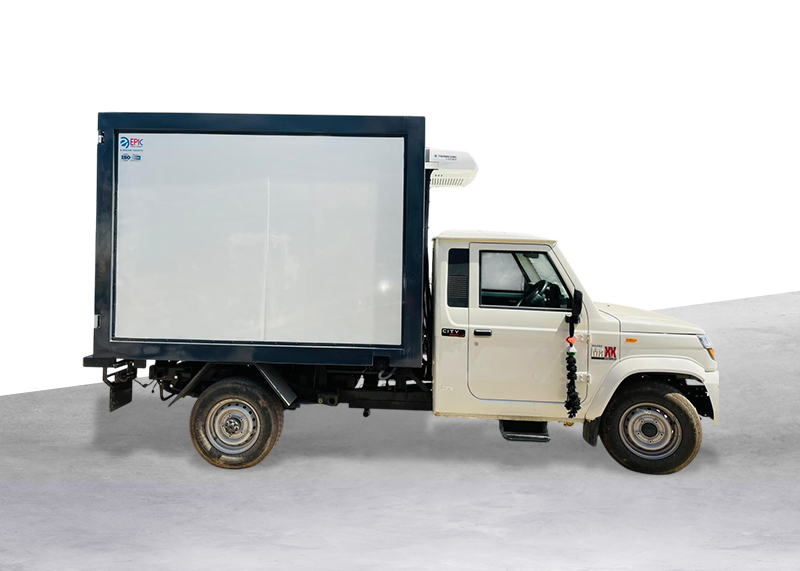
Refrigrated Van
A refrigerated van, also known as a reefer van, is a type of vehicle equipped with a refrigeration unit designed to transport perishable goods at controlled temperatures. These vans are used by businesses that need to deliver products like food, pharmaceuticals, flowers, or other temperature-sensitive items. They come in various sizes, from small delivery vans to large trucks, depending on the needs of the business.
The refrigeration system in the van helps to maintain the required temperature during transport, ensuring that goods do not spoil or lose their quality. They can be used for short or long-distance trips, and some even have temperature monitoring systems to track conditions during transport.
Food Delivery
- Fresh Produce & Dairy
Many businesses use refrigerated vans to deliver fresh fruits, vegetables, and dairy products that require cold storage to prevent spoilage.
- Frozen Foods
Restaurants, grocery stores, and food service providers often rely on refrigerated vans to transport frozen foods like meat, seafood, or frozen meals.
- Baked Goods
Delicate items like cakes, pastries, and other baked goods can also be delivered using refrigerated vans to maintain their freshness.
Pharmaceuticals
- Vaccines and Medicines
Certain pharmaceuticals need to be transported in a controlled environment. Refrigerated vans are used to keep these products at precise temperatures to maintain their effectiveness.
- Biological Samples
Hospitals and laboratories may use refrigerated vans for transporting medical samples, organs, or tissue, which require specific temperature conditions.
Floral Transport
- Fresh Flowers
Florists and flower wholesalers use refrigerated vans to transport fresh flowers and plants, which are sensitive to temperature fluctuations and need to be kept cool to extend their shelf life.
Chemical and Perishable Goods
- Specialized Chemicals
Some chemicals, including those used in industrial applications, need to be transported in a controlled climate to prevent them from degrading.
- Cosmetics and Skincare Products
Some high-end cosmetic products or ingredients need to be stored and transported in a cool environment to preserve their integrity.
Event Catering
- Prepared Food
Catering companies use refrigerated vans to transport large quantities of prepared food to events, ensuring that everything stays fresh until it's ready to be served.
Pet Products
- Live Animals
In some cases, refrigerated vans are used to transport live animals, such as fish or other cold-blooded species, which need to be kept at a stable, cool temperature.
- Frozen Pet Food
Pet stores or delivery services might use refrigerated vans to deliver frozen or perishable pet food products.
Transportation of Beverages
- Wines and Spirits
Some wines and beverages are sensitive to temperature changes, so a refrigerated van may be used to ensure that these products are stored at the ideal temperature during transport.
Key Considerations for Using Refrigerated Vans for Specific Purposes
- Temperature Control
It’s important to choose a van with precise temperature control features to meet the needs of your specific cargo. Some refrigerated vans have adjustable settings for different temperature ranges, while others are designed for a single, specific temperature.
- Size and Capacity
Depending on the volume of goods you need to transport, choosing the right size van is essential. Some businesses need smaller vans for quick deliveries, while others may require larger vehicles.
- Compliance and Regulations
For certain goods, such as food and pharmaceuticals, there are regulations governing transportation and storage temperatures. Make sure the refrigerated van you choose complies with relevant standards and offers temperature monitoring and logging features.
- Efficiency and Fuel Usage
Consider the van’s fuel efficiency and operating costs, as refrigerated vans can consume more fuel due to the refrigeration unit running continuously.