

Cheese Processing Plant
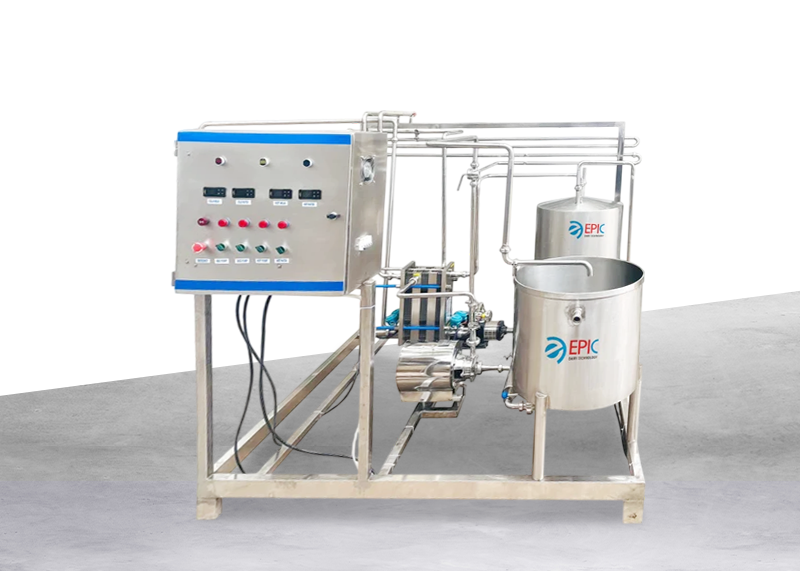
Cheese Processing Plant
A Cheese Processing Plant is a specialized facility equipped to handle the complete production cycle of cheese—from milk reception and pasteurization to curd formation, cutting, cooking, draining, pressing, and aging. Designed with hygienic stainless steel equipment, automated systems, and strict quality controls, these plants ensure consistent texture, flavor, and safety in every batch. Whether producing cheddar, mozzarella, or processed cheese variants, the plant supports high-volume output while maintaining efficiency, sanitation, and compliance with food industry standards.
Key Processes
- Milk Reception and Quality Control
Fresh milk is received, tested, and stored in hygienic conditions. Quality control is critical to ensure the milk meets the required standards for cheese production.
- Pasteurization
The milk is heated to eliminate harmful bacteria, thereby increasing the shelf life and safety of the final product.
- Culturing and Coagulation
Specific starter cultures are added to develop the desired flavor, followed by the addition of rennet or other coagulants to form curds.
- Curd Cutting and Cooking
Once coagulation occurs, the curd is cut into pieces. The size of the curds is controlled to determine the moisture content and texture of the cheese. Gentle heating may follow to further contract the curds.
- Draining and Pressing
The whey is separated from the curds through drainage, often on specialized curd tables. The curds are then pressed to expel additional whey and shape the cheese.
- Salting and Aging
Salt is added to enhance flavor, inhibit unwanted microbial growth, and assist in moisture removal. For many cheese types, the product is then aged under controlled conditions to develop its characteristic flavor and texture.
- Packaging
Finally, the cheese is cut, packaged, and stored under refrigerated conditions until distribution.
Equipment and Technology
Modern cheese processing plants utilize a range of automated and semi-automated equipment to streamline production, maintain hygiene, and ensure consistency
| Cheese Vats and Curd Cutting Machines | Stainless steel vats and specialized cutters help in uniform coagulation and cutting. |
|---|---|
| Pressing Equipment | Pneumatic or hydraulic presses ensure uniform shaping and moisture removal. |
| Automated Cleaning Systems (CIP) | Clean-In-Place systems maintain strict sanitation standards by automating the cleaning of processing equipment. |
| Control Systems | PLC-based (programmable logic controller) systems monitor and regulate temperature, pH, and other critical parameters throughout the process. |
Advancements in automation and robotics have also allowed for enhanced efficiency, reduced labor, and improved product quality, making these plants both scalable and highly reliable.