

Curd Processing Plant
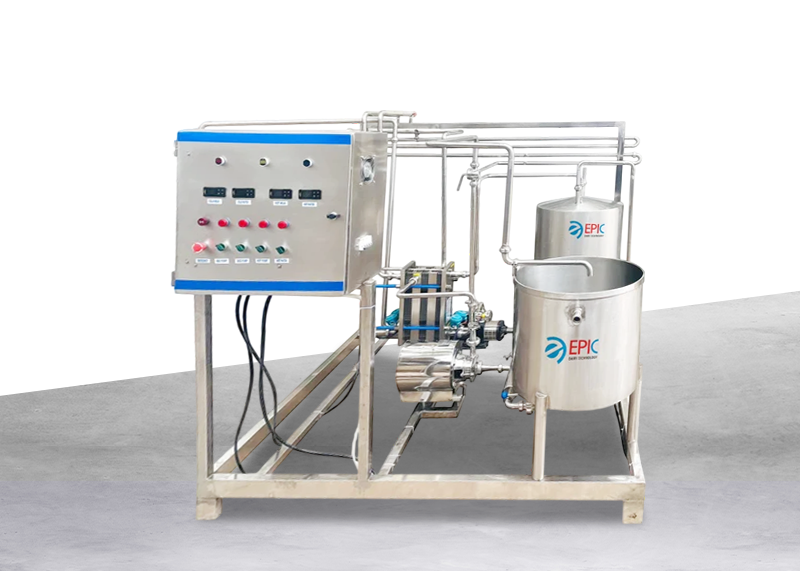
Curd Processing Plant
A curd making machine is a specialized appliance designed to automate the process of making curd (or yogurt) by controlling the temperature and fermentation environment. These machines are available both for household kitchens and commercial settings. Their primary function is to maintain an optimal temperature for bacterial fermentation, ensuring that the milk transforms into curd consistently and efficiently.
- Capacity : 100 TO 10000 LITER
How They Work
- Temperature Control
Fermentation Temperature: Curd making requires a specific temperature range (usually around 40–45°C or 104–113°F) to enable the beneficial bacteria (often from a starter culture) to ferment the milk. Curd making machines incorporate thermostats to maintain this temperature for a set period.
- Heating Elements
Many units have built-in heaters that warm the container holding the milk, ensuring consistent fermentation throughout.
Timed Operation
- Automatic Timers
These machines often feature built-in timers that allow users to set the fermentation duration. Once the timer reaches the preset time, the machine can automatically shut off or switch to a cooling mode.
- Consistent Results
The automation of time and temperature ensures that the curd has a uniform texture and flavor every time.
Integrated Design
- Self-contained Units
Some devices are designed as self-contained units, meaning they include the container, heating elements, and controls in one package.
- Commercial Variations
In larger or commercial models, the system may involve multiple containers and larger capacities, catering to bulk production.
Key Features to Consider
- Capacity and Size
Curd makers come in various sizes, with domestic models typically handling 1–2 liters per batch, while commercial equipment may handle larger volumes.
- Ventilation Systems
Modern curd making machines often include digital displays and simple one-touch controls, making them user-friendly for both experienced users and beginners.
- Cleaning and Maintenance
Removable containers and dishwasher-safe parts add convenience. Some designs focus on minimal parts to simplify cleaning.
- Energy Efficiency
Energy-efficient models are designed to minimize power consumption by using well-insulated containers and optimized heating systems.
- Versatility
Some machines offer multiple settings that allow users to adapt the fermentation process for different types of milk (e.g., cow’s milk, buffalo milk) or even alternative fermented dairy products.
Applications
-
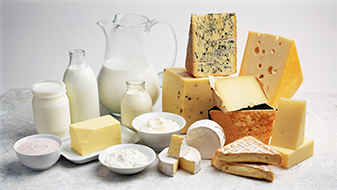 Domestic Use
For home cooks and families who want to prepare fresh curd without repetitive manual methods. The consistent quality and ease of preparation promote a regular consumption of homemade curd, which is a staple in many cuisines.
-
 Commercial Use
Small dairy businesses and larger industrial operations might use advanced curd making systems to standardize product quality and meet high production demands. These units often include features like batch processing and automated cleaning cycles.
-
 Nutritional and Culinary Ventures
Home-based nutrition businesses and start-ups may use these machines to produce artisanal or organic yogurt and curd-based products.