

Industiral Instant Chiller
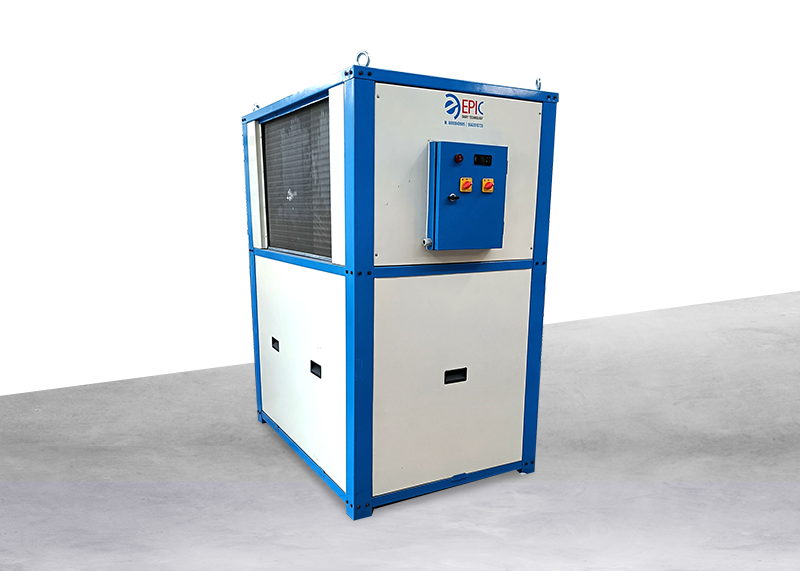
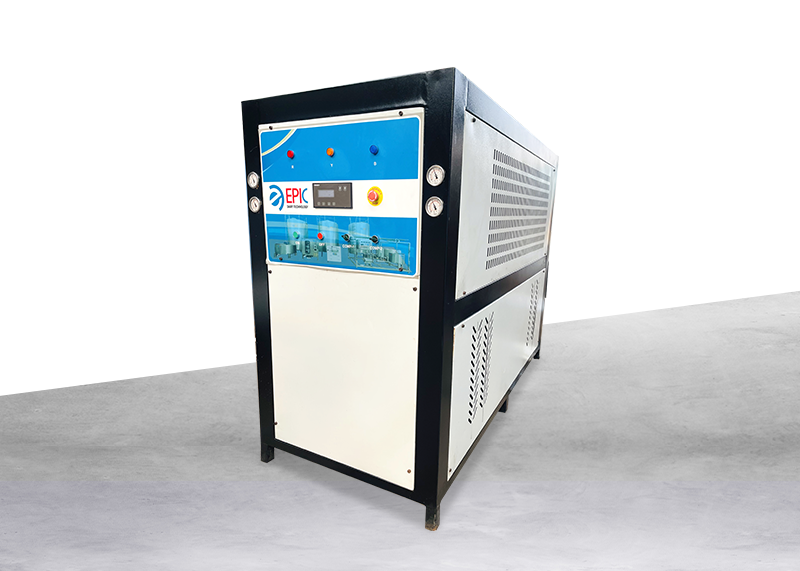
Industiral Instant Chiller
An Industrial Instant Chiller is a high-performance cooling system designed for rapid temperature reduction in various industrial processes. Ideal for applications requiring immediate cooling, such as food and beverage production, chemical processing, and pharmaceutical manufacturing, these chillers deliver precise temperature control and energy-efficient operation. With robust construction, advanced refrigeration technology, and user-friendly controls, instant chillers ensure continuous and reliable performance, minimizing downtime and enhancing productivity in demanding environments.
The Churning Process
- Agitation of Cream
The fundamental operation of a butter churner is based on the principle of agitating cream until the fat molecules (butterfat) coalesce. As the cream is churned, the agitation causes the fat to separate from the liquid (buttermilk).
- Formation of Butter Grains
Continued churning results in the formation and subsequent clustering of small butter grains. Eventually, these grains combine into a mass of butter.
- Separation and Washing
Once the butter forms, it is typically removed and washed with cold water to eliminate residual buttermilk, which is crucial for prolonging the shelf life and flavor of the butter.
Key Functional Components
- Paddle/Beaters
In manual churners, a hand-cranked paddle or rotating mechanism provides the necessary agitation. In electrically operated models, a motor-driven paddle or beaters perform this function.
- Containers and Gauges
Many modern churners come with sight glasses or transparent containers (often made of high-quality glass like Kilner® models) so that users can monitor the progress of churning.
- Input/Output Features
An effective design includes sealed input/output doors and drainage systems that help separate buttermilk from the final butter product.
Electrically Operated Butter Churners
- Motorized Churns
These machines use electric motors to rapidly and efficiently churn large volumes of cream. They are widely used in commercial dairy processing due to their speed and consistency.
- Small-Scale Models
Home and artisanal producers may find small capacity models (ranging from 5 to 20 liters) ideal for regular butter making.
- Large-Scale Equipment
In industrial settings, churners with capacities varying from 60 liters to 1000 liters and beyond are common. These models often feature advanced options like variable speed drives, reversible operations, and automated drainage systems to optimize butter yield.