

Juice Processing Plant
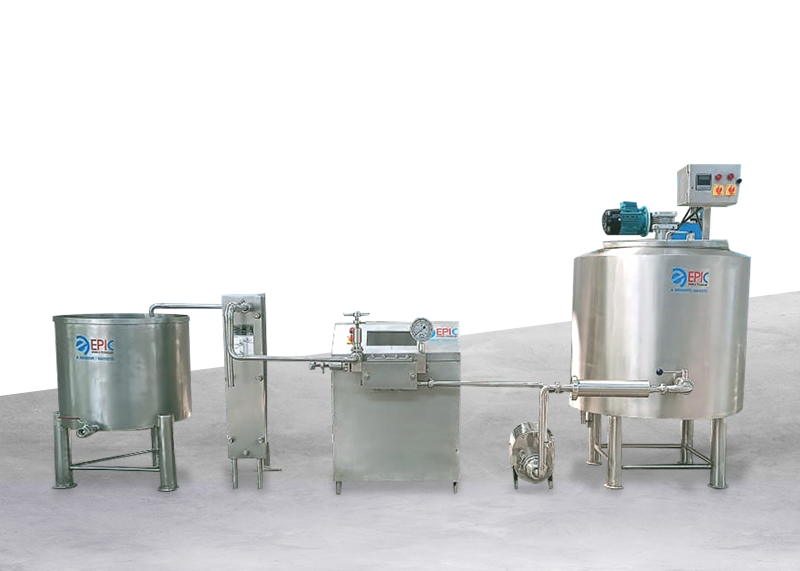
Juice Processing Plant
A Juice Processing Plant is a specialized facility equipped to handle the systematic extraction, clarification, pasteurization, and packaging of fruit and vegetable juices. Using advanced machinery and hygienic processes, the plant ensures the production of high-quality, nutrient-rich juices while maintaining flavor and shelf life. From washing and pulping to filtration and filling, every stage is optimized for efficiency, safety, and compliance with food industry standards—making it ideal for commercial juice manufacturers and beverage brands aiming for large-scale production.
- Fruit Reception & Sorting
- Arrival: Fresh fruits (like oranges, apples, mangoes, pineapples) arrive at the plant.
- Inspection & Sorting: Workers or machines inspect the fruit and remove damaged, unripe, or spoiled ones.
- Washing: Fruits are washed to remove dirt, pesticides, and other contaminants.
- Peeling, Destoning, and Crushing
Depending on the fruit:
- Citrus fruits are peeled.
- Mangoes and peaches are destoned.
- Apples are cored and crushed.
- Pulverizing/Crushing Machines turn the cleaned fruit into pulp.
- Juice Extraction
- Presses, centrifuges, or belt presses extract the juice from the pulp.
- Seeds, skins, and solid residues (pomace) are separated.
- The extracted juice may still contain fine solids, so it often moves to a clarification step.
- Filtration / Clarification
- Juice is filtered to remove remaining pulp and cloudiness (unless it’s meant to be “cloudy juice” like some apple or orange juices).
- Common systems: Plate filters, decanters, ultrafiltration.
- Pasteurization
- Juice is heated (usually to 85–95°C for 15–30 seconds) to kill harmful bacteria and enzymes.
- After pasteurization, it is quickly cooled.
- Some juices (like fresh-squeezed) might skip this and use cold-pressed / HPP (High Pressure Processing) instead.
- Formulation & Blending
Juice might be mixed with :
- Other juices (e.g., tropical blends),
- Water (for juice drinks),
- Sugar or sweeteners,
- Preservatives,
- Flavor enhancers or vitamins.
- Homogenization (optional)
- If the juice contains pulp or oil (like orange juice), homogenizers ensure even texture by breaking down particles.
- Filling and Packaging
The juice is transferred to sterilized containers:
- Glass bottles, PET bottles, Tetra Pak cartons, or metal cans.
- Filling is usually done aseptically (sterile environment) to prevent contamination.
- Sealed and labeled.
- Storage and Distribution
- Stored in cold rooms (if not shelf-stable).
- Shipped to retailers, wholesalers, or exported.
- Supporting Systems
- Quality Control Lab: Tests for taste, sugar content (Brix), pH, microbial safety.
- Water treatment unit.
- Waste management: handles peels, pulp, seeds (sometimes sold for animal feed or compost).
- Variations
- NFC (Not From Concentrate) juice: extracted and pasteurized, but not concentrated.
- Concentrated juice: juice is evaporated into concentrate to save on shipping, then reconstituted with water at the destination or plant.