

Milk Processing Plant
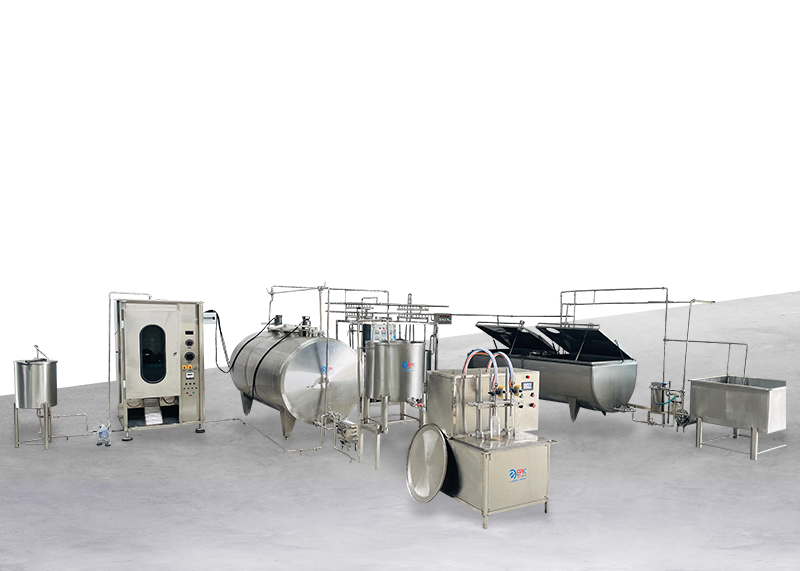
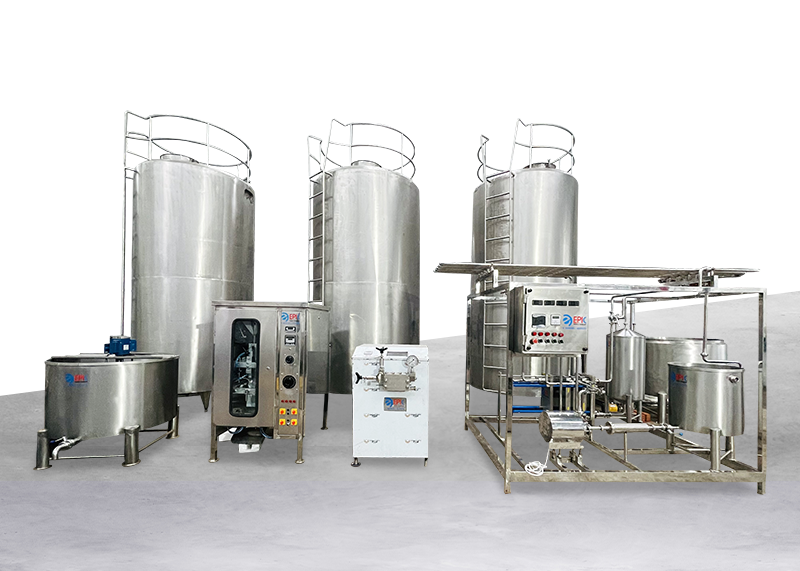
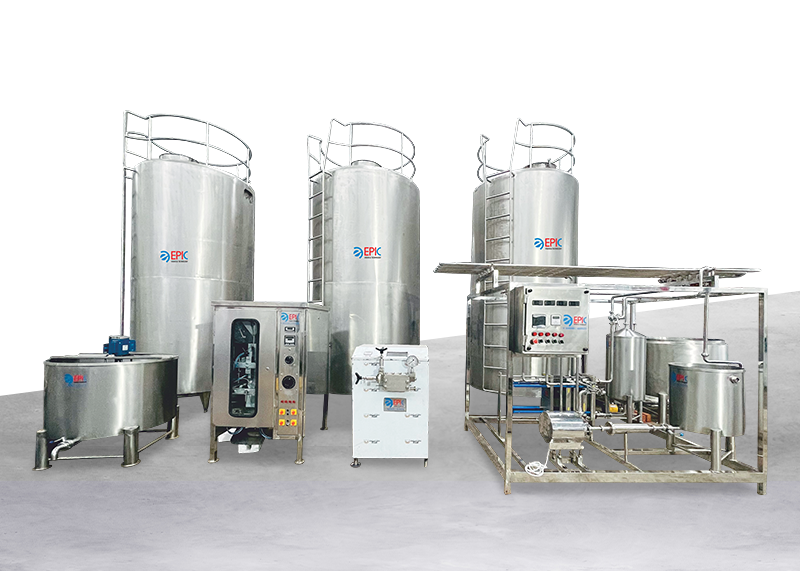
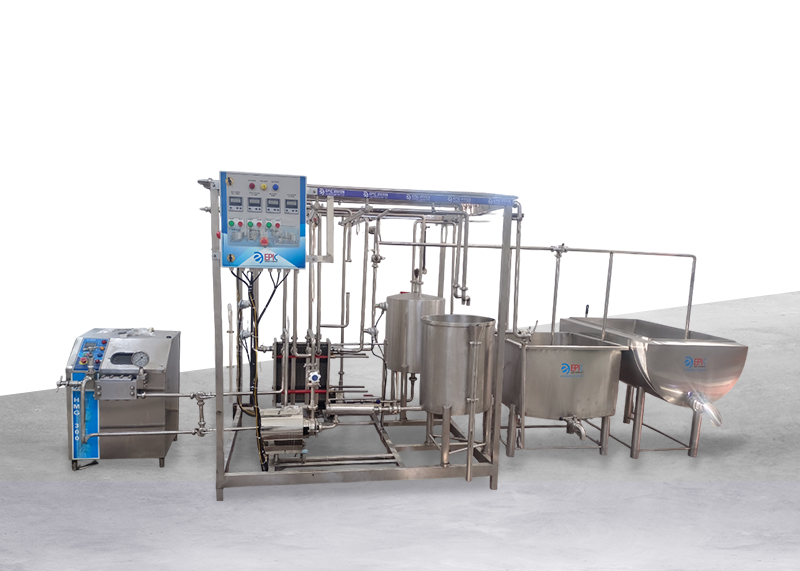
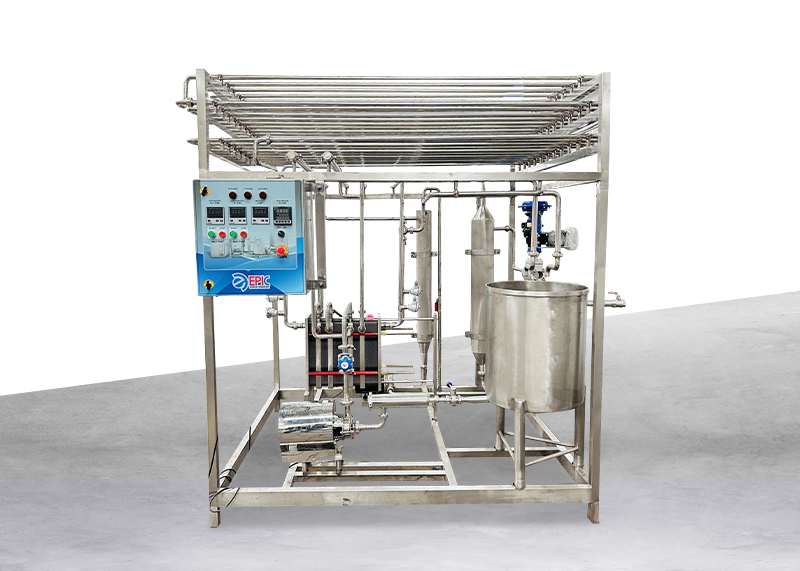
Milk Processing Plant
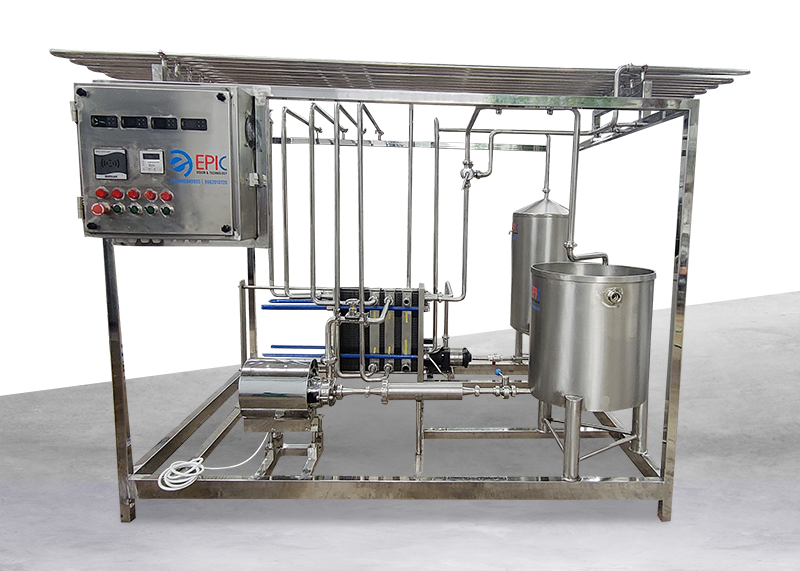
An automatic milk pasteurization plant is a fully integrated system designed to pasteurize milk on a continuous basis with minimal human intervention. These systems are commonly used in dairy industries to ensure milk is safe for consumption and meets food safety standards.
Milk Processing Plant

Key Components of a Milk Pasteurization Plant
| Component | Function |
|---|---|
| Milk Storage Tank | Holds raw milk before processing. |
| Plate Heat Exchanger (PHE) | Heats and cools milk using hot water and chilled water. |
| Balance Tank | Ensures constant milk level for smooth flow. |
| Centrifugal Pump | Circulates milk through the system. |
| Holding Tube | Holds milk at pasteurization temperature for required time. |
| Hot Water Generation System | Provides heat for pasteurization. |
| Automatic Temperature Controller | Maintains precise pasteurization temp. |
| Flow Diversion Valve (FDV) | Sends improperly pasteurized milk back for reprocessing. |
| Milk Chiller | Rapidly cools milk after pasteurization. |
| CIP (Cleaning in Place) System | Automatic cleaning of the plant without disassembly. |
Typical Pasteurization Process
| Step | Temperature & Time |
|---|---|
| Preheating | ~30-40°C |
| Pasteurization | 72°C for 15 seconds (HTST method) |
| Cooling | Down to 4°C |
Benefits of Automation
Precise temperature control.
Automatic cleaning (CIP system).
Continuous operation, reduced downtime.
Data logging for quality control.
Reduced labor costs.
Higher hygiene and food safety compliance.
Plant Capacity Options
- Small scale
500–2000 liters per hour.
- Medium scale
3000–10,000 liters per hour.
- Industrial scale
15,000+ liters per hour.
Automation Features
PLC (Programmable Logic Controller) for process control.
HMI (Human Machine Interface) for operator interaction.
Temperature sensors and automated valves.
Data logging and reporting for compliance and traceability.
Alarms and safety interlocks for abnormal conditions.
Main Components
- Milk Reception Tank
Where raw milk is received and stored temporarily.
- Centrifugal Pump
To move milk through the system.
- Plate Heat Exchanger (PHE)
Heats and cools milk using hot water and chilled water.
- Balance Tank
Maintains a constant supply of milk to the system.
- Hot Water Generation Unit
Provides controlled hot water for heating.
- Holding Tube
Ensures milk stays at pasteurization temperature for a set time (e.g., 72°C for 15 seconds).
- Flow Diversion Valve (FDV)
Redirects under-pasteurized milk back for reprocessing.
- Chiller or Cooling Section
Quickly cools milk to 4°C to prevent bacterial growth.
- CIP (Clean-In-Place) System
For automated cleaning of the entire system.
Process Flow
Raw milk is pumped from the reception tank.
It enters the heat exchanger where it's preheated using pasteurized milk.
The hot water unit raises milk temperature to pasteurization level.
Milk travels through the holding tube to maintain temperature for the required time.
If temperature is correct, it goes to the cooling section; otherwise, the FDV sends it back.
Final product is cooled and stored in chilled tanks for packaging or distribution.