

Milk Silo Tank
Milk Silo Tank
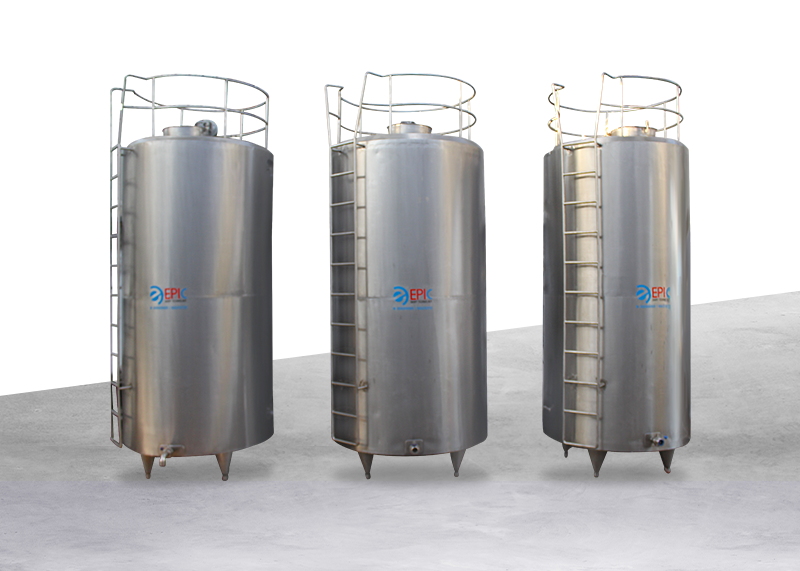
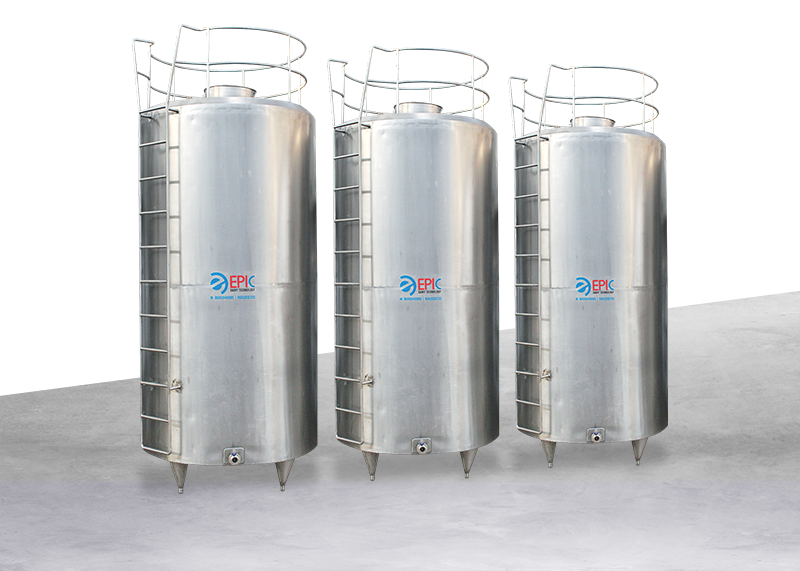
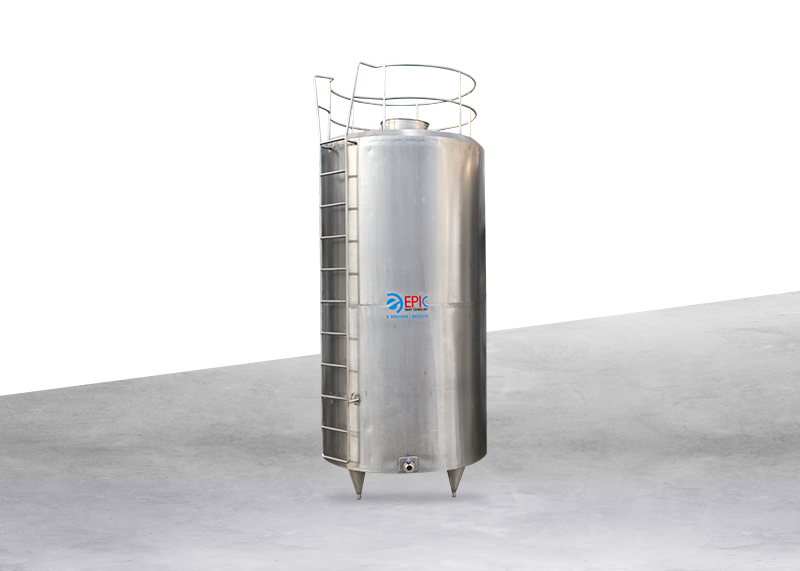
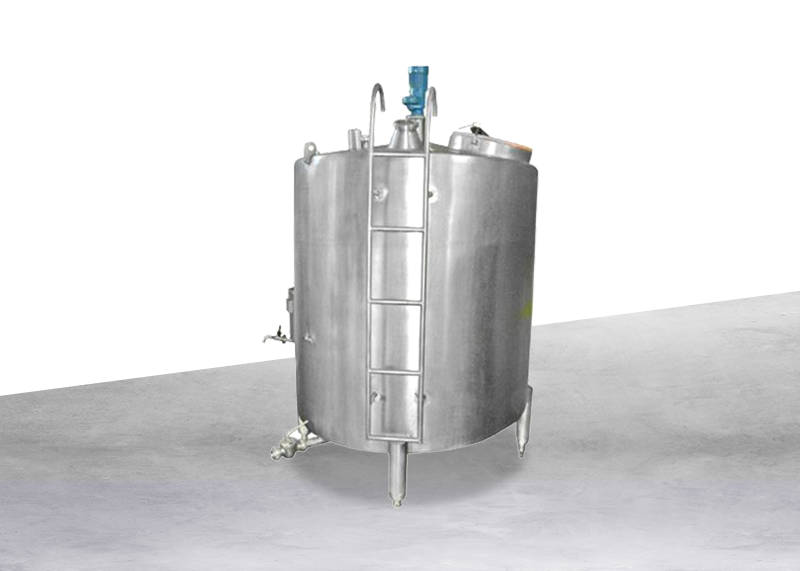
A milk silo tank is a large, cylindrical storage container used in the dairy industry to store and preserve milk at a consistent, controlled temperature before it’s processed or transported. These tanks are designed to hold milk in bulk, typically after it has been collected from dairy farms but before it's sent to processing plants for pasteurization or further production into dairy products like cheese, butter, and yogurt.
Size & Capacity Small to Medium-Scale Tanks
- Capacity
Typically ranges from 500 liters to 10,000 liters
(500L to 10,000L).- These are often used for smaller dairy farms or in milk collection points where the milk will be transported to a processing plant shortly after collection.
- Large-Scale Tanks
- Capacity: Large industrial-scale silos can hold anywhere from 20,000 liters to 100,000 liters or more (20,000L to 100,000L).
These are common at dairy processing plants, where milk is stored before it undergoes pasteurization or further production into dairy products like cheese or yogurt.
- Very Large Silos
- Capacity: In some large commercial or cooperative dairy operations, silos may exceed 100,000 liters and even reach over 500,000 liters.
These are usually part of automated and high-capacity dairy systems, often found in larger processing plants or central dairy hubs.
Materials Stainless Steel
- Material Type
Stainless steel is the most common material used for milk silos, especially 304 stainless steel or 316 stainless steel.
- Reason
Stainless steel is non-corrosive, durable, and resistant to bacteria, making it ideal for food storage. It also ensures that the milk stays uncontaminated and preserves the integrity of the product.
Stainless steel is easy to clean and maintain, which is essential for hygiene in the dairy industry.
- Insulation Material
Polyurethane Foam: Often used to insulate the silo and maintain the cooling temperature of the milk. The insulation is essential for reducing energy consumption while ensuring that milk remains at the proper storage temperature (around 4°C or 39°F).
- Fiberglass
Another insulation material used in some designs.
Shape & Structure
- Cylindrical Shape
Milk silos are typically cylindrical in shape, allowing for uniform temperature distribution and better pressure handling. The cylindrical design also facilitates easier mixing of the milk, which helps prevent the milk from separating.
- Vertical Orientation
Most milk silos are vertically oriented, meaning they stand tall and store milk in a column. This design maximizes the use of floor space.
- Conical Bottom
Many milk silos have a conical bottom, which helps with the efficient draining of milk and reduces any sediment accumulation.
Cooling System
- Plate Coolers
Many milk silos have an internal cooling system consisting of plate coolers or refrigeration coils. These plates or coils circulate cold water or coolant around the tank to maintain the temperature of the milk.
- Refrigeration System
These may include compressors and evaporators that circulate cold air or liquid coolant around the tank to prevent milk from warming up and spoiling.
Agitation System
- Mechanical Agitators
Milk silos often feature a mechanical agitation system, which helps keep the milk mixed and prevents separation of fat content. These are typically motor-driven paddles or blades.
- Automatic Mixing
Some systems are automated to ensure that agitation happens at the right intervals to maintain the milk's consistency.
Safety & Control Systems
- Temperature Control
Most modern milk silos come with a built-in temperature monitoring system, which is vital for maintaining the milk at the correct storage temperature. These systems often feature digital sensors that are connected to the silo's control panel.
- Pressure Relief Valve
For safety, a milk silo may include a pressure relief valve to release any excess pressure that could build up due to temperature fluctuations or overfilling.
- Level Sensors
These sensors help monitor the milk level in the silo and alert operators when the tank is getting full or needs attention.
Cleaning System
- CIP (Clean-In-Place) System
A common feature in modern milk silos is the CIP cleaning system, which allows the silo to be cleaned without disassembling it. This system typically uses a combination of hot water, cleaning chemicals, and sanitizing agents to ensure the tank is kept sterile.
Discharge & Transport System
- Piping & Valves
Milk silos have specialized piping and valves for safely discharging the milk into transport trucks or processing machinery. These systems are designed to minimize spillage and prevent contamination.
- Automatic Pumps
In larger systems, automatic pumps are used to transport the milk from the silo into the desired collection or processing area.
Exterior and Finishes
- Polished Exterior
The exterior of milk silos is usually smooth and polished, which not only helps with aesthetics but also aids in cleaning and hygiene.
- Weatherproofing
For silos located outdoors, exterior coatings are often applied to protect the metal from the elements.