

Cold Storage Room
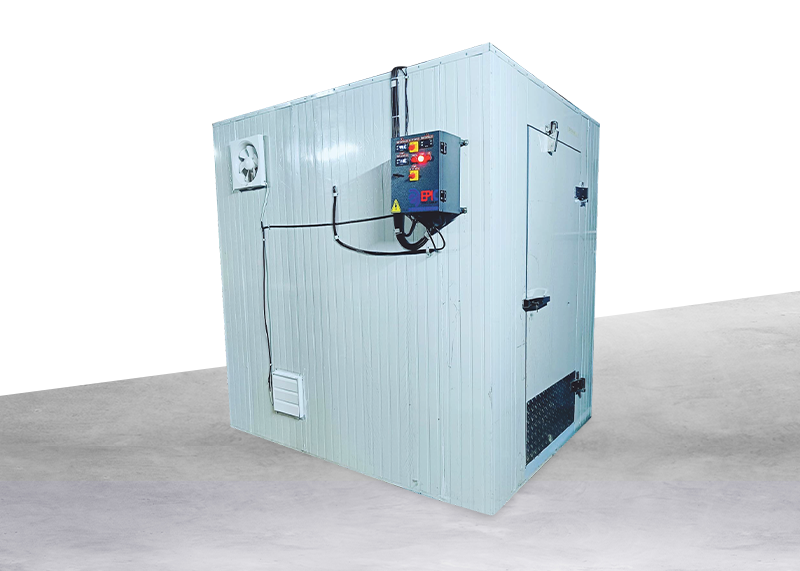
Cold Storage Room
A cold storage room is a purpose-built, insulated, and temperature-controlled space designed to preserve perishable items—ranging from fresh produce, dairy, meats, and seafood to pharmaceuticals and even certain chemicals—by maintaining a consistent, low-temperature environment. These rooms are often known as walk‑in coolers or freezers depending on their operating temperature.
Key Features & Components
- Temperature Ranges
Depending on the application, cold storage rooms can operate in different temperature zones. For example, positive temperature rooms (around 0–5°C) are used for fruits and vegetables, while negative temperature rooms (ranging from –10°C to below –23°C) are designed for frozen goods.
- Refrigeration System
They use a refrigeration cycle that typically includes a compressor (the “heart” of the system), condenser, evaporator, expansion valve, and additional components like oil separators and receivers to ensure efficient heat removal and maintain the desired temperature.
- Insulation & Humidity Control
High‑quality insulation in walls, floors, and ceilings minimizes heat gain and energy loss, while controlled humidity levels help prevent dehydration or condensation issues that could affect product quality.
- Automation
Modern cold storage rooms are increasingly automated, which improves efficiency by reducing labor and optimizing inventory management in the cold chain.
Applications of Batch Pasteurizers
-
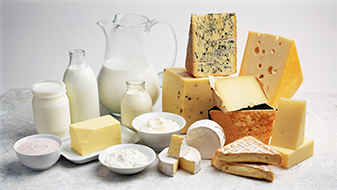 Food Processing
Food processing applications involve transforming raw ingredients into consumable food products through mechanical, chemical, or biological methods. These systems ensure food safety, enhance shelf life, and improve efficiency in mass production.
-
 Retail
A retail application streamlines the buying and selling process by managing inventory, orders, and customer interactions. It enhances user experience with secure payments and real-time updates.
-
 Pharmaceuticals
Pharmaceutical applications involve the development, manufacturing, and packaging of medicines with strict hygiene and precision. These processes ensure quality, safety, and regulatory compliance in drug production.
This integrated design not only preserves freshness and safety but also contributes to energy efficiency and reduced food waste throughout the supply chain