

Paneer Processing Plant
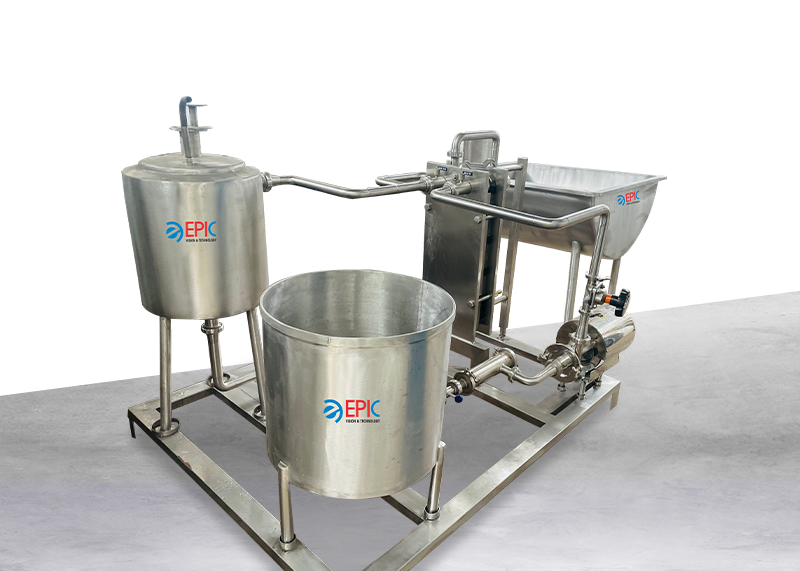
Paneer Processing Plant
A paneer processing plant is a facility that produces paneer, which is a type of fresh cheese commonly used in South Asian cuisine. The plant processes milk into paneer through a series of steps, ensuring that it meets safety, quality, and hygiene standards.
- Capacity : 300 lph to 5000 lph
Key Steps in a Paneer Processing Plant
- Milk Reception and Storage
Fresh, high-quality milk is received from dairy farms and stored in cold storage tanks to prevent spoilage.
- Pasteurization
The milk is pasteurized to kill any harmful bacteria and ensure that it is safe for consumption. This is usually done by heating the milk to a specific temperature (around 70–75°C) for a set period.
- Coagulation
The milk is then cooled, and an acidifying agent, such as lemon juice or vinegar, is added to the milk to curdle it. Alternatively, rennet can be used to coagulate the milk.
- Curd Formation
After coagulation, the milk separates into curds and whey. The curds are collected and left to drain for a short period to remove excess whey.
- Curing and Pressing
The curds are placed in molds and pressed to remove remaining whey and to form a solid block of paneer. The pressing time and weight depend on the desired consistency and texture of the paneer.
- Cutting
Once the paneer block is formed, it is cut into the desired shape and size (cubes, blocks, or slices).
- Packaging
After cutting, the paneer is packaged in clean, airtight containers to maintain freshness and prevent contamination.
- Storage and Distribution
The packaged paneer is stored in cold storage to preserve its freshness and transported to retail outlets, distributors, or directly to consumers.
Equipment Used in Paneer Processing Plant
- Milk Reception Tanks
For storing milk.
- Pasteurizer
For heating the milk to a specific temperature.
- Coagulation Vessel
For curdling the milk.
- Molds and Presses
For shaping and pressing the paneer.
- Cutting Machines
For cutting the paneer into pieces.
- Packaging Machines
For sealing the paneer in clean, hygienic packaging.
Considerations for Setting Up a Paneer Processing Plant
- Hygiene and Cleanliness
The plant must maintain high levels of cleanliness to ensure the safety and quality of the product.
- Raw Material Sourcing
Consistent, high-quality milk supply is essential.
- Regulations and Certifications
Compliance with food safety and quality standards is mandatory.
- Storage and Distribution
Proper cold chain management is crucial to maintain product quality.