

Ice Cream Fruit Feeder Machine
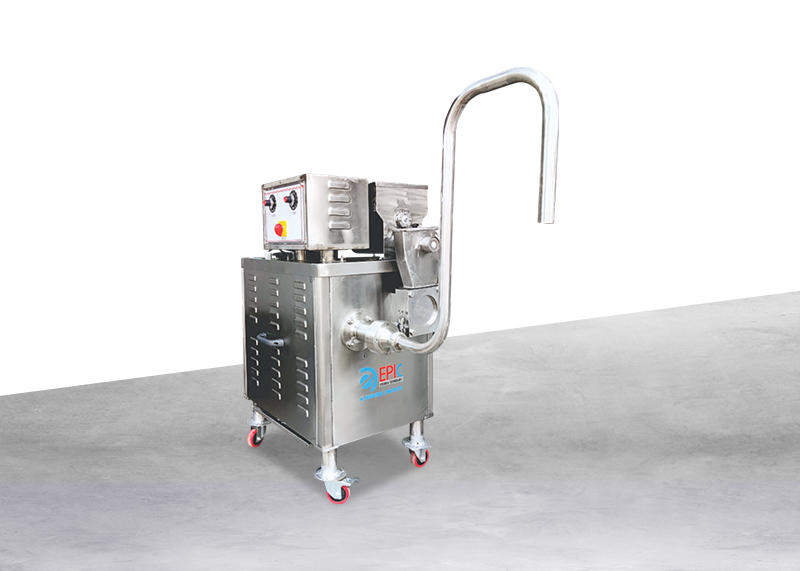
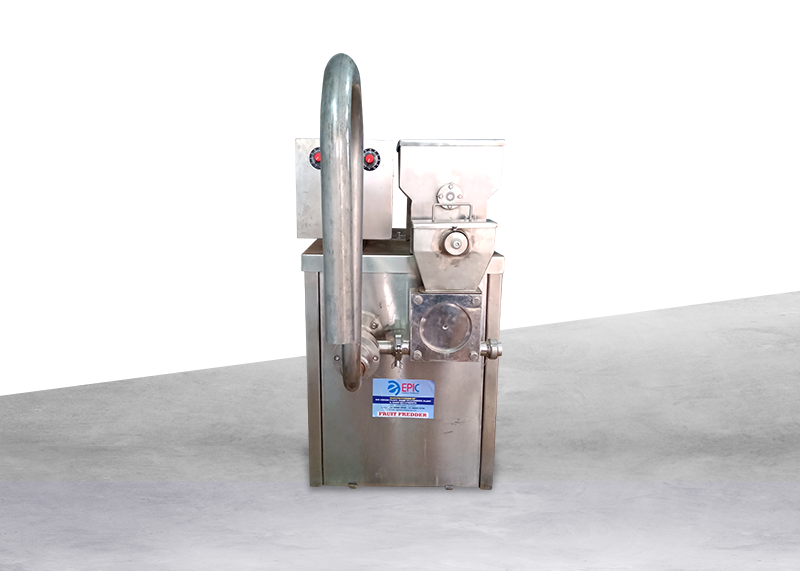
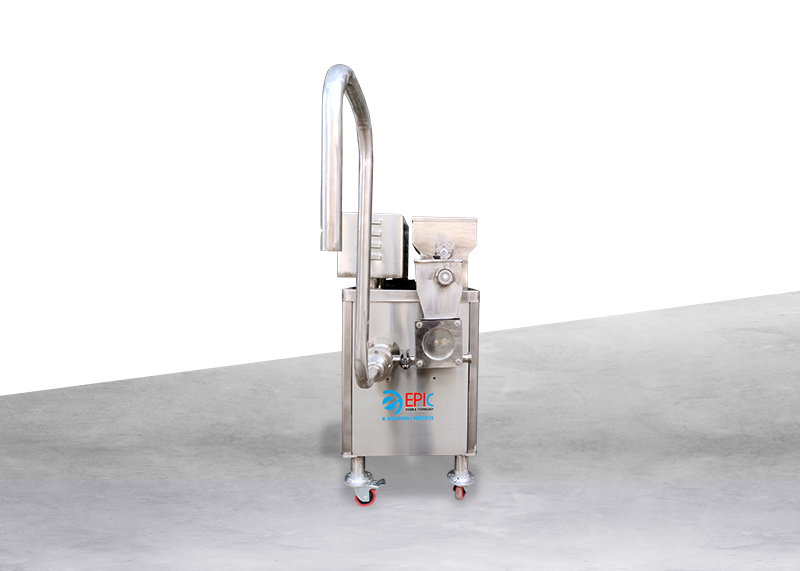
Ice Cream Fruit Feeder Machine
"Ice Cream Fruit Feeder" generally refers to specialized equipment used in industrial or commercial ice cream production to automatically incorporate fruit pieces—and often other inclusions like nuts, chocolate chips, or candy—into a continuous stream of ice cream. These machines are an integral part of modern ice cream processing lines, ensuring that inclusions are distributed uniformly while maintaining high production efficiency and product quality.
What Is an Ice Cream Fruit Feeder?
An ice cream fruit feeder (often also called an "ingredient feeder" or "ingredient doser") is a machine designed to add small solid ingredients (e.g., fruit chunks, nuts, or other particulates) into a liquid or semi-liquid base. In ice cream production, the feeder introduces these elements at precise rates in order to achieve a uniform and desirable final product. The equipment plays a vital role in both artisanal and large-scale industrial production.
How Does It Work?
- Ingredient Storage (Hopper)
- Hopper/Reservoir: The process typically begins with a hopper that stores the fruit or other inclusions. This hopper is designed to protect the ingredients from contamination while preserving their quality. Some machines can have dual hoppers to allow the simultaneous use of different ingredients.
- Dosing Mechanism
- Screw or Rotor Pumps: These machines frequently utilize a screw pump, rotor, or piston mechanism to move the ingredients from the hopper toward the ice cream flow. For instance, many fruit feeders have a dosing unit where a rotor pushes the fruit at controlled intervals.
- Volumetric Dosers: Some advanced models use volumetric dosers, where a calibrated piston mechanism ensures that a predetermined volume of ingredient is injected per revolution, ensuring high dosing accuracy.
- Incorporation Process
- In-Line Mixing: As the ingredient is fed into the continuous flow of ice cream, an incorporator or blender within the machine helps to evenly distribute it. This stage is crucial as it prevents clumping or stratification of the ingredients and maintains the integrity of the ice cream's texture.
- Flow Regulation: The feeder is usually synchronized with the ice cream production line, meaning the flow rate of the base product and the dosing rate of the ingredients can be finely tuned via digital control panels.
Benefits of Using Ice Cream Fruit Feeders
- Consistent Quality
- Uniform Distribution: These machines ensure that the inclusions are mixed evenly, which is vital for maintaining product quality, texture, taste, and appearance.
- Hygiene: Automated feeders reduce the need for manual intervention, thereby minimizing the risk of contamination and ensuring food safety.
- Production Efficiency
- Continuous Operation: They are designed to work seamlessly in continuous production lines, making them well-suited to high-capacity manufacturing environments.
- Cost Savings: By automating the inclusion process, manufacturers can reduce labor costs and waste (often referred to as "giveaway"), while also ensuring a consistent final product that meets set quality specifications.
Applications in the Ice Cream Industry
-
 Artisanal Producers
For small-batch or specialty ice cream makers, a scaled-down version of these feeders ensures consistent quality without extensive manual labor.
-
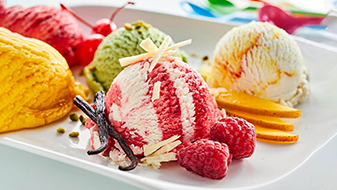 Industrial-Scale Production
Larger systems are integrated into production lines that produce thousands of liters per hour, ideal for high-volume manufacturers looking to maintain product uniformity and minimize production costs.
-
 Specialty Frozen Desserts
Beyond traditional ice cream, these feeders are also employed in gelato production, frozen yogurts, and even non-dairy frozen desserts, adapting to the unique consistency and ingredient requirements of these products.